

Risk Management
- Did you know?
- Food & Beverage
- General
- Hazardous substance management
- Occupational medicine
- Occupational safety
- Personnel/HR
- Quality Management
- Risk Management
- Sustainability
- Training

HACCP: Everything you need to know
According to lebensmittelwarnung.de, the majority of recalls and warnings published in Germany concern food products. Microbiological contamination and foreign bodies are the most common causes. For food manufacturers, such an incident can cause a significant loss of trust and, of course, put your customers at risk. To prevent this, the implementation of a HACCP concept…

Digital first aid book
Accidents happen in almost every company. When employees are injured, this must be recorded in the first aid book—regardless of whether the injury can be treated quickly or requires a visit to the doctor or even hospitalisation. It is essential that the current condition is recorded and that any long-term effects can be traced. With…

Accident analysis
Unfortunately, accidents at work are not uncommon and can have severe consequences for those affected and their companies. Both commuting accidents and accidents on company premises are covered by accident insurance. In this article, you will learn about the legal requirements for accident analysis, the methods and tools used, and the process. Please note: All…
Accident pyramid
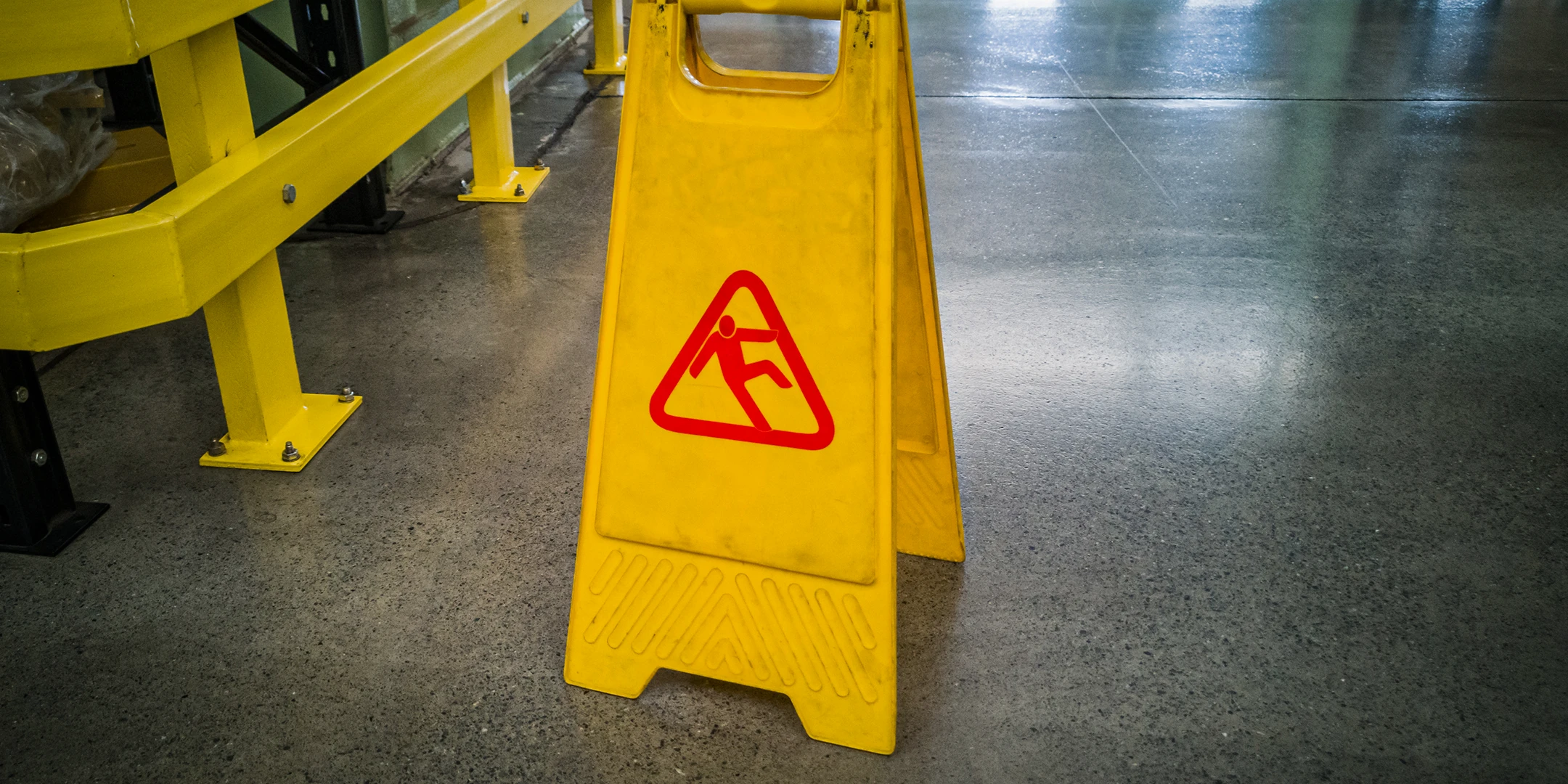
From dangerous situations to near misses to the worst case scenario – an accident at work: With the help of the so-called accident pyramid , all incidents in the company can be analyzed. You can find out exactly what this means and what examples of the accident pyramid there are in our article. You can…

Reporting an accident at work
Despite all precautions, accidents in everyday working life are not uncommon. In 2021, 1,516 people in the EU had a non-fatal accident at work for every 100,000 employed people. Across the EU, 3,347 people were fatally injured during their working hours. After such an incident, there is often significant uncertainty in the company: Do you…

PPE training
Did you know that wearing suitable eye protection can avoid around 90 per cent of eye injuries in everyday work? This is just one example of how necessary personal protective equipment (PPE) is. However, correct use can only be achieved if all employees know how to wear, care for, and check the PPE. Therefore, detailed…